Hauke G.W. Sandhaus
Ph.D. candidate in Information Science at Cornell Tech University

Cornell Tech
2w Loop Rd
New York, NY 10044
Advised by Helen Nissenbaum (Chair), Wendy Ju (Co-Chair), and Qian Yang (Committee Member). Expected graduation: July 2027. Background in Human Computer Interaction (M.Sc.) & Creative Technology (B.Sc.). Worked as a UX technologist in the VW Group Future Center to improve mobility for all.
Designing for user and worker autonomy, imagining AI systems that not just respect but support human autonomy. Dissertation work develops theory that distinguishes legitimate machine influence from manipulation.
Research Statement: How do interaction design methodologies need to evolve to meet the ethical challenges of data-intensive systems? Through two complementary threads, I investigate: (1) ethical data-driven interaction design, where I develop frameworks to evaluate user experiences and study how designers can responsibly leverage AI in their process; and (2) ethical data-sharing, where I create policies and tools that balance innovation needs with data protection across domains from autonomous vehicles, urban street imagery to healthcare.
user autonomy ethical interaction design responsible data accountability in AI
Pre Ph.D. work can be seen at my portfolio archive.
news
| Jul 22, 2026 | 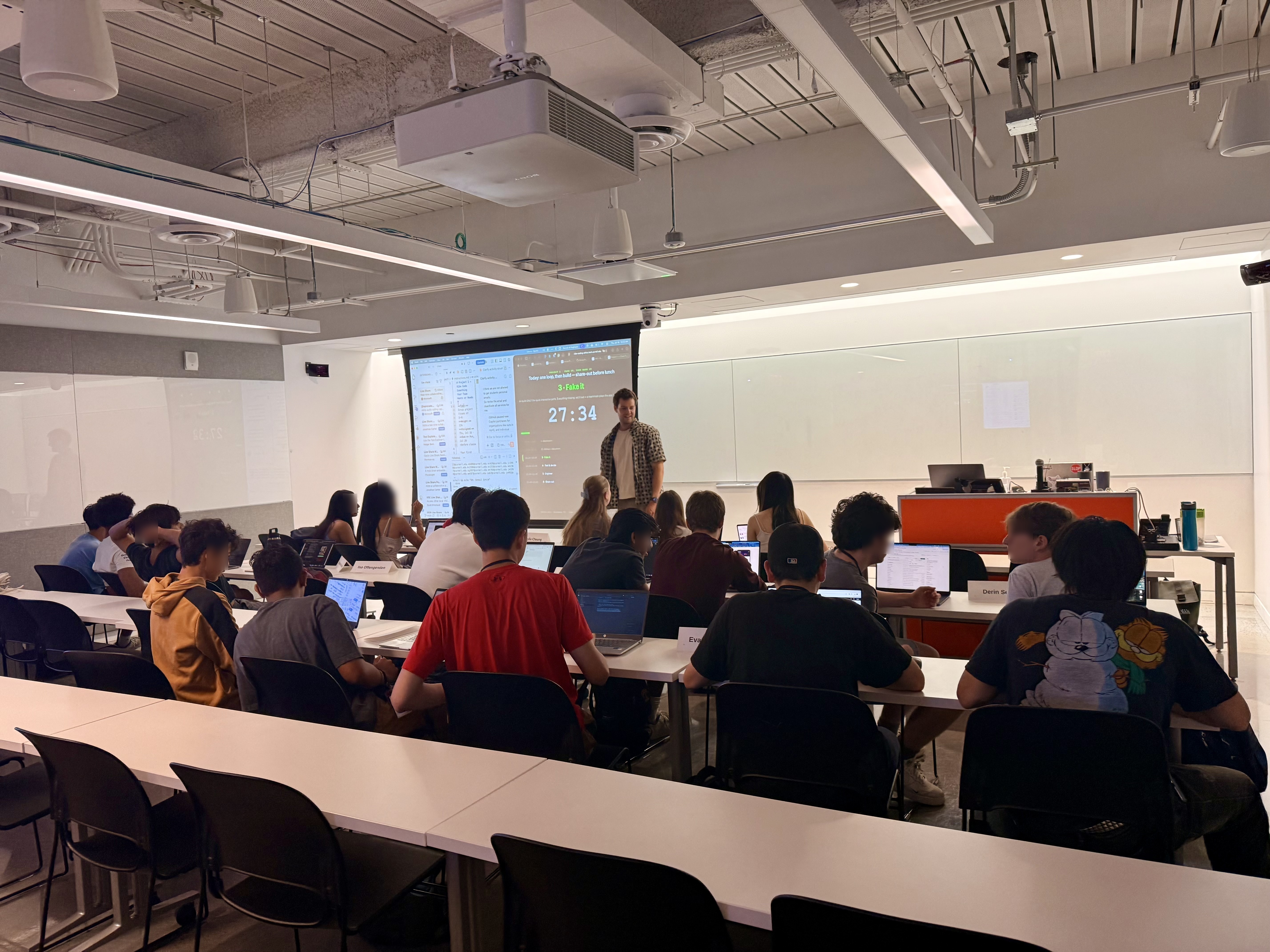 This summer I’m teaching Ethical Vibe Coding (TECHIE 1121) to high school students as part of Cornell Tech’s Summer Innovation Intensives. Students are building real apps with AI tools while centering human values, probing bias, and reasoning about what “AI for good” really means. This summer I’m teaching Ethical Vibe Coding (TECHIE 1121) to high school students as part of Cornell Tech’s Summer Innovation Intensives. Students are building real apps with AI tools while centering human values, probing bias, and reasoning about what “AI for good” really means. |
|---|---|
| Jun 22, 2026 | 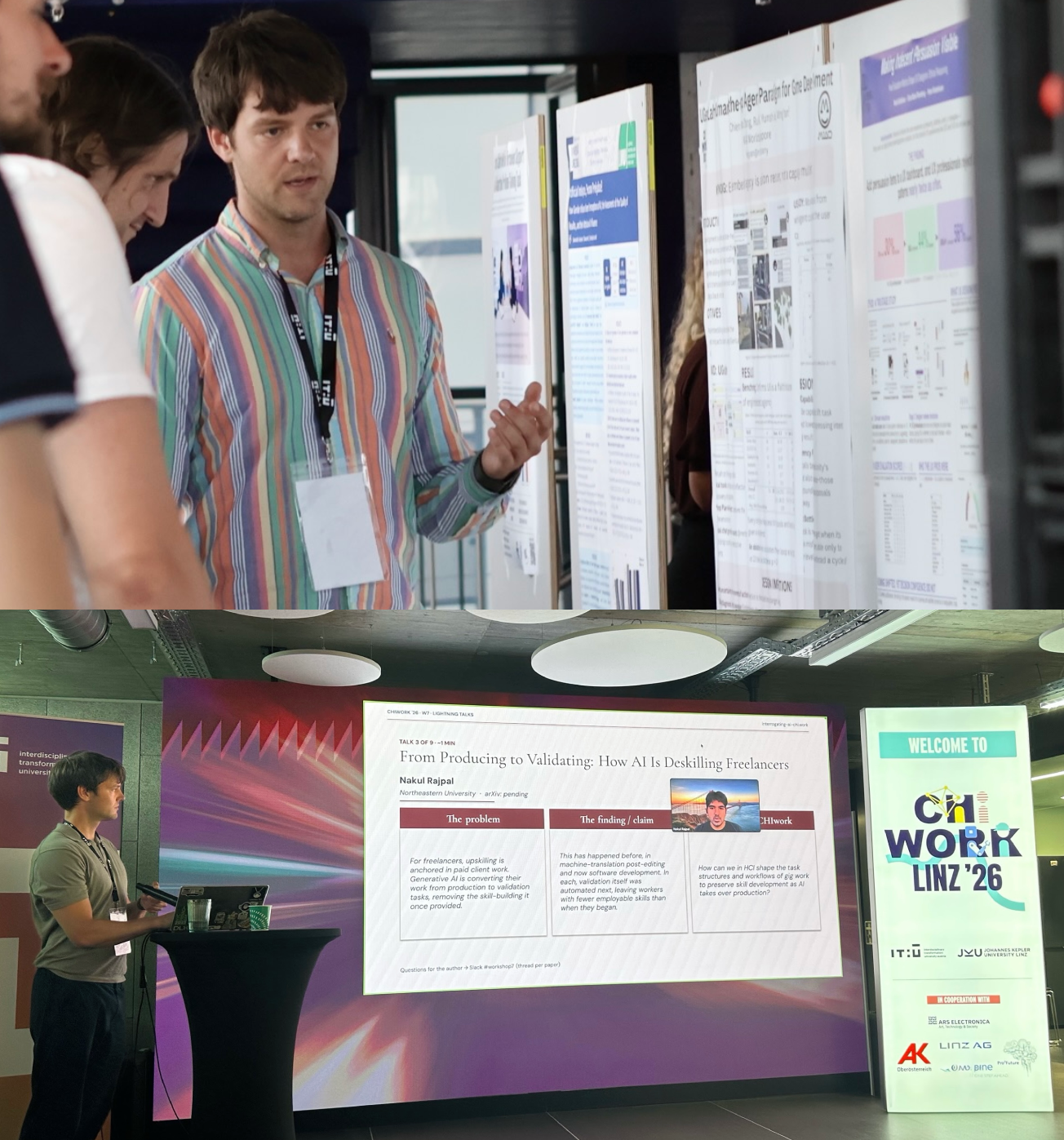 At CHIWORK 2026 in Linz as Hybrid Chair, organizing the workshop Interrogating GenAI Augmentation for CHIworkers and presenting our Late-Breaking Work Making Indecent Persuasion Visible — winner of the Best LBW Award (1 of 25). 🏆 At CHIWORK 2026 in Linz as Hybrid Chair, organizing the workshop Interrogating GenAI Augmentation for CHIworkers and presenting our Late-Breaking Work Making Indecent Persuasion Visible — winner of the Best LBW Award (1 of 25). 🏆 |
| Jun 14, 2026 | 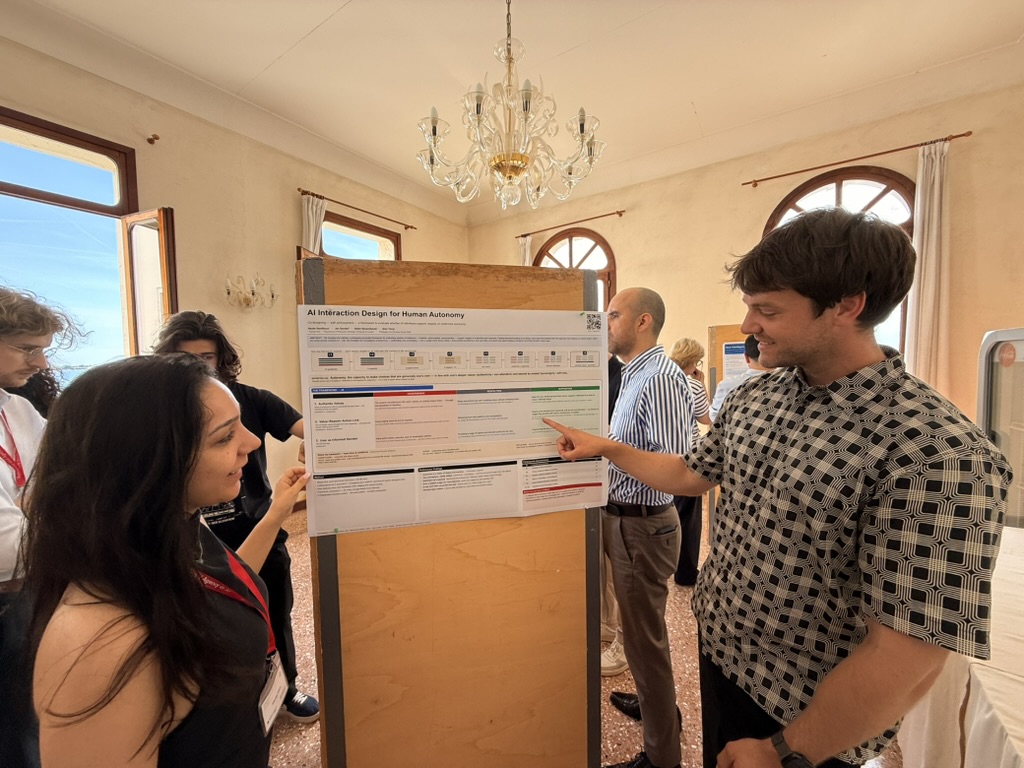 Attended the Philosophy of AI Summer School on Reasoning and Agency in AI in Venice, hosted by the University of Hong Kong, the Institute of Philosophy (University of London), and LMU. I presented early work on a philosophy-grounded evaluation framework for AI Interaction Design for Human Autonomy. Attended the Philosophy of AI Summer School on Reasoning and Agency in AI in Venice, hosted by the University of Hong Kong, the Institute of Philosophy (University of London), and LMU. I presented early work on a philosophy-grounded evaluation framework for AI Interaction Design for Human Autonomy. |
| Jun 03, 2026 | 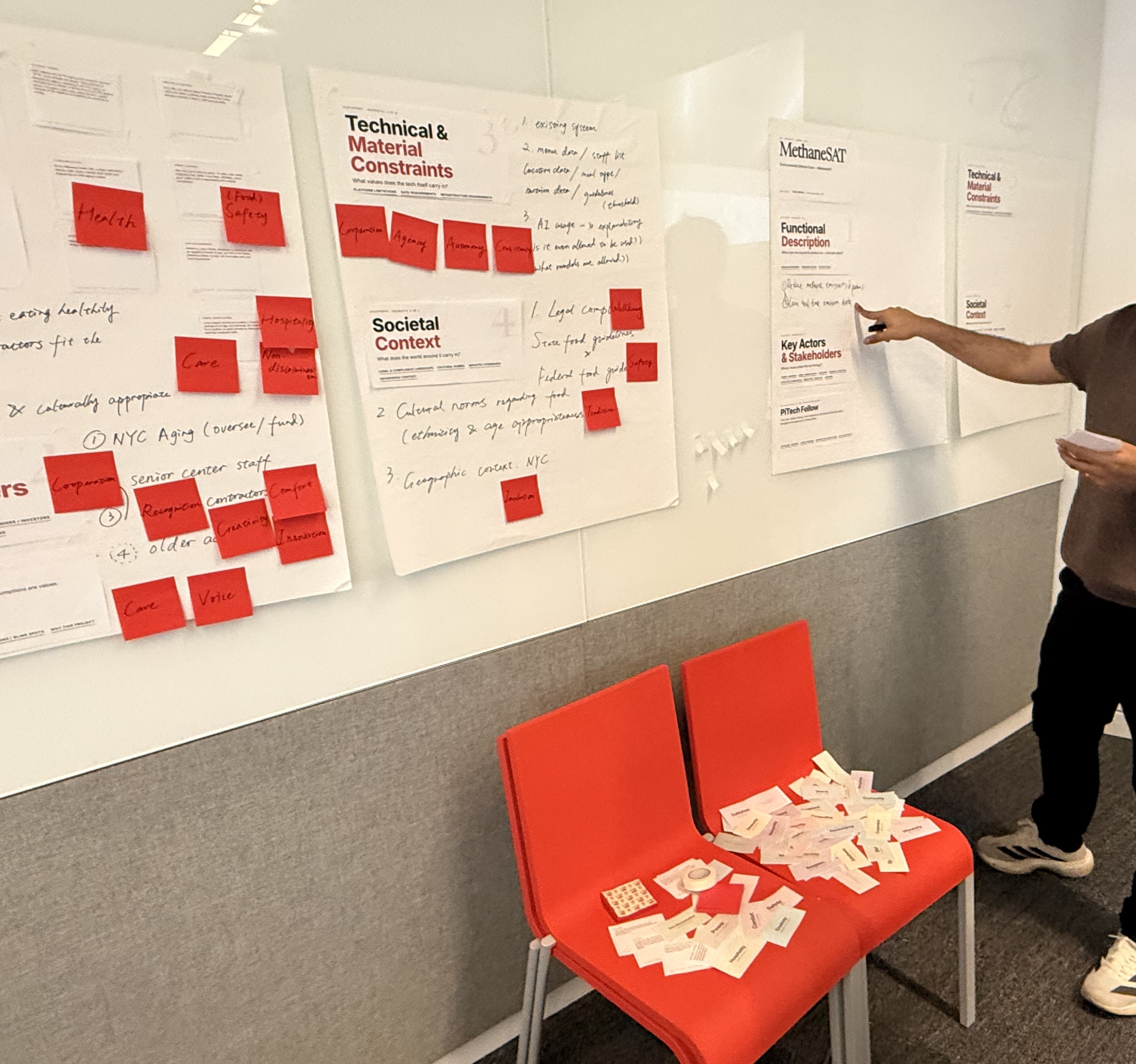 Kicked off the Conscientious Tech Design Workshop this summer (Wed, June 3) with the Siegel PiTech PhD Impact Fellows, supervised by Prof. Helen Nissenbaum, helping fellows explore the ethical dimensions of public interest technology in their own projects. Kicked off the Conscientious Tech Design Workshop this summer (Wed, June 3) with the Siegel PiTech PhD Impact Fellows, supervised by Prof. Helen Nissenbaum, helping fellows explore the ethical dimensions of public interest technology in their own projects. |
| Apr 20, 2026 | Co-organizing three workshops in 2026: Bridge Over Troubled Water on combating deceptive patterns (CHI 2026), Interrogating GenAI Augmentation for CHIworkers on professional autonomy and accountability (CHIWORK 2026), and “Nobody Did This” on accountability in agent-mediated collaboration (CSCW 2026). |
research
Ethical Interaction Design
Surfacing and resisting manipulative interfaces—and pinning down what “ethical” UX actually measures—so design protects user autonomy.
- ZfP
 Deception Is Ugly: Linking Aesthetic Judgment to Perceived Manipulation in Dark PatternsZeitschrift für Psychologie, 2026Accepted, forthcomingTLDR: Across 126 social media users, perceived deception co-occurs strongly with negative aesthetic judgments of dark patterns (r = 0.93), pointing toward ethics-focused UX measurement scales.
 - CHIWORK LBW
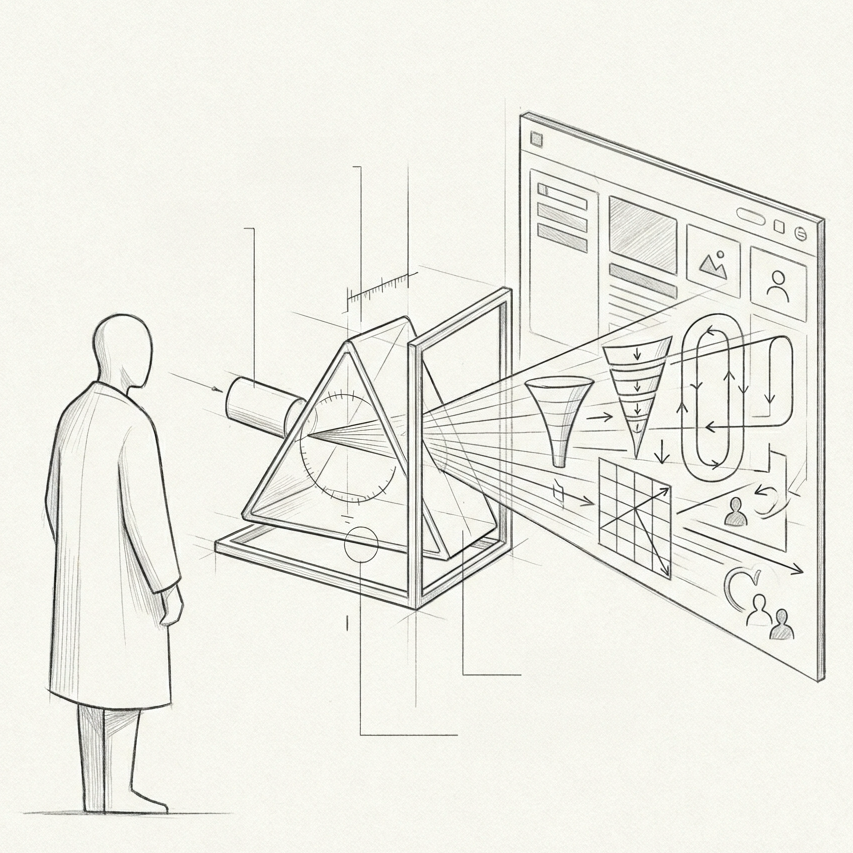 Making Indecent Persuasion Visible: How Evaluation Metrics Shape UX Designers’ Ethical ReasoningIn CHIWORK ’26: Proceedings of the 5th Annual Symposium on Human-Computer Interaction for Work (Late-Breaking Work), Linz, Austria, Jun 2026TLDR: In a study of 141 UX professionals, persuasion-focused evaluation metrics nearly doubled rejection of manipulative interfaces, surfacing "indecent persuasion" as a dimension standard UX instruments fail to capture.
 - CHI Workshop
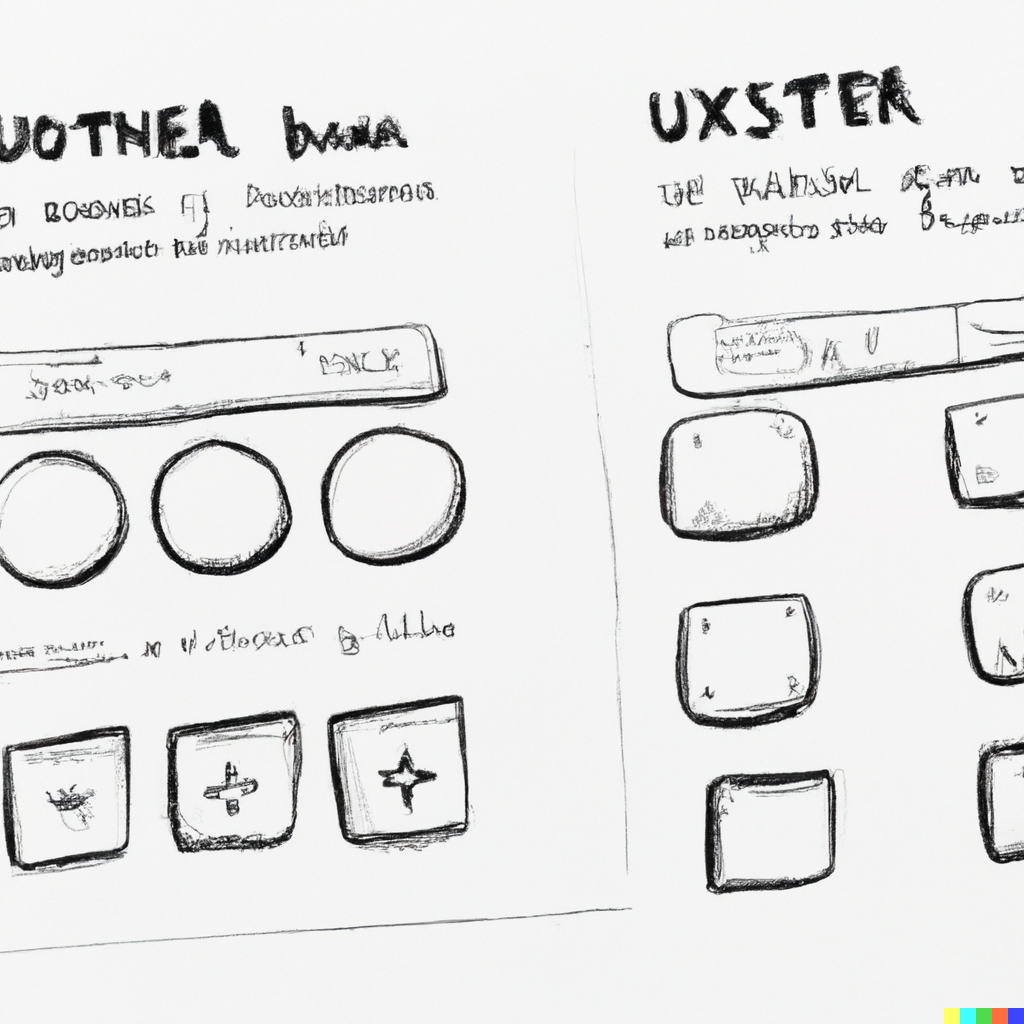 Promoting Bright PatternsIn CHI ’23 Workshop: Designing Technology and Policy Simultaneously, Hamburg, Germany, Apr 2023This paper started the brightpatterns.org websiteTLDR: The first definition of "bright patterns" is accompanied by examples that illustrate corporate use of persuasive design in support of user goals over their desires and business objectives.
Human–AI Interaction & Work
Preserving professional autonomy, accountability, and deep work as generative AI enters research, design, and creative practice.
- CHIWORK
 Interrogating GenAI Augmentation for CHIworkers: Strategies for Professional Autonomy and AccountabilityIn CHIWORK ’26: Proceedings of the 5th Annual Symposium on Human-Computer Interaction for Work (Workshop), Linz, Austria, Jun 2026Workshop co-organizerTLDR: A CHIWORK 2026 workshop moving beyond AI disclosure statements to ask how HCI professionals can preserve deep work, intellectual autonomy, and accountability in GenAI-augmented workflows.
 - DIS
 Co-Designing with Transformers: Unpacking the Complex Role of GenAI in Interactive System Design EducationIn Proceedings of the 2025 ACM Designing Interactive Systems Conference, Funchal, Portugal, Jul 2025TLDR: GenAI in Human-Computer Interaction education and design brings both benefits, such as enhanced creativity and faster iterations, and risks, including shallow learning and reflection. Students’ approach to GenAI, rather than the specific tasks performed, influences the success of GenAI co-design.
Privacy & Responsible Data
Privacy and responsible data-sharing across street imagery, vehicles, and sensing systems.
- FAccT
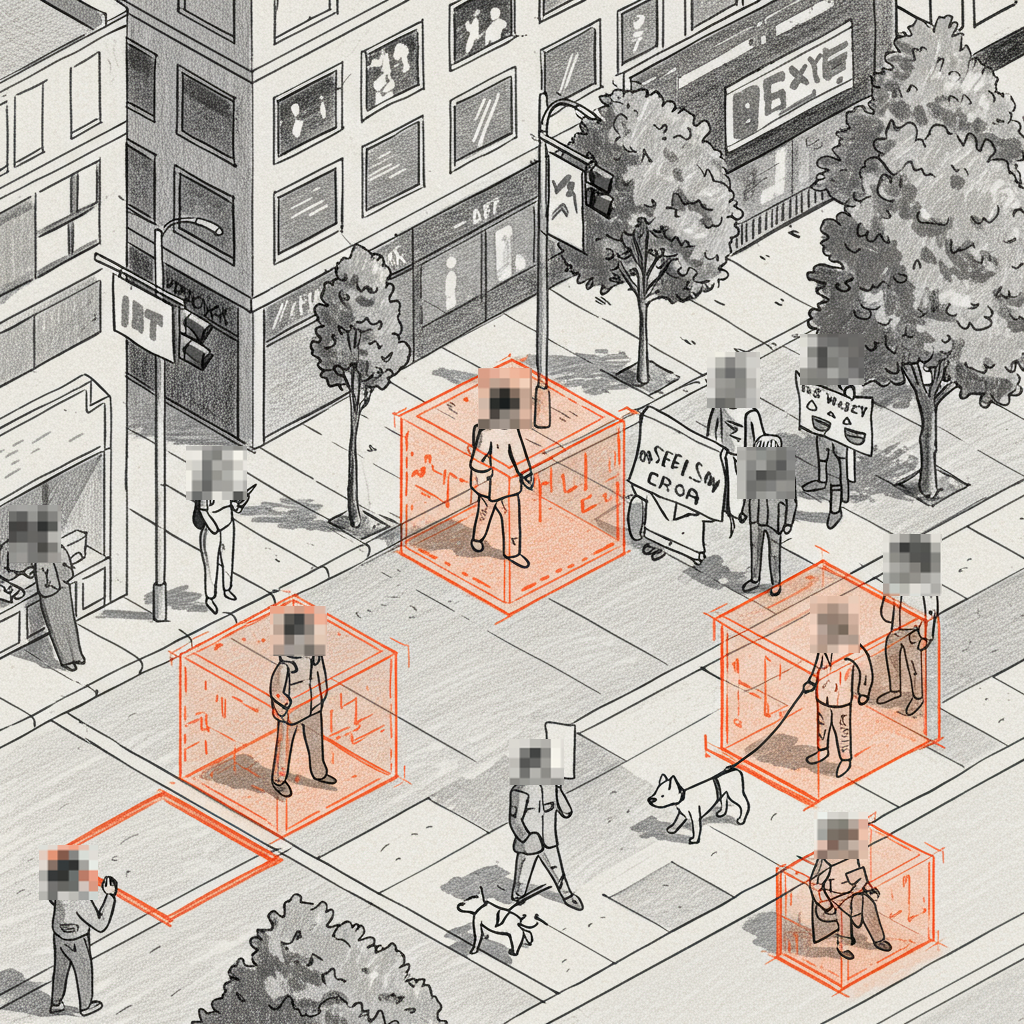 Privacy of Groups in Dense Street ImageryIn Proceedings of the 2025 ACM Conference on Fairness, Accountability, and Transparency, Athens, Greece, Jun 2025* = equal contributionTLDR: Dense street imagery enables harmful group membership inference despite individual anonymity. Contextual Integrity is used to analyze group based privacy implications based on appropriate information flows.
 - CSCW
 My Precious Crash Data: Barriers and Opportunities in Encouraging Autonomous Driving Companies to Share Safety-Critical DataProceedings of the ACM on Human-Computer Interaction, Oct 2025TLDR: This study identifies barriers to sharing safety-critical data in autonomous vehicle companies, revealing that datasets are seen as competitive knowledge due to embedded salient knowledge, making sharing politically fraught.
 - AutoUI WiP
 Regaining Trust: Impact of Transparent User Interface Design on Acceptance of Camera-Based In-Car Health Monitoring SystemsIn Adjunct Proceedings of the 16th International Conference on Automotive User Interfaces and Interactive Vehicular Applications, Stanford, CA, USA, Oct 2024TLDR: Transparently designed privacy onboarding can enhance user trust in camera-based in-car health monitoring systems.
 - CHI
 The Cadaver in the Machine: The Social Practices of Measurement and Validation in Motion Capture TechnologyProceedings of the CHI Conference on Human Factors in Computing Systems, Honolulu, HI, USA, Jan 2024TLDR: Motion capture systems are built and validated on old assumptions as a literature review using social practice theory shows.
Automotive & Driving Interaction
How people negotiate interactions around automated vehicles—and how the field shares its safety data.
- ITSC
 Characterizing Cultural Differences in Naturalistic Driving InteractionsIn 2024 IEEE 27th International Conference on Intelligent Transportation Systems (ITSC), Sep 2024TLDR: This study compares driver interactions at unsigned intersections in New York City and Haifa, using MMD in Hilbert space, revealing that cultural differences significantly influence driving strategies, especially during turns.
 - AutoUI
 Modeling Social Situation Awareness in Driving InteractionsIn Proceedings of the 16th International Conference on Automotive User Interfaces and Interactive Vehicular Applications, Stanford, CA, USA, Sep 2024TLDR: Proposes a Social Situation Awareness model for better understanding driver negotiation at un-signalized intersections.
 - AutoUI
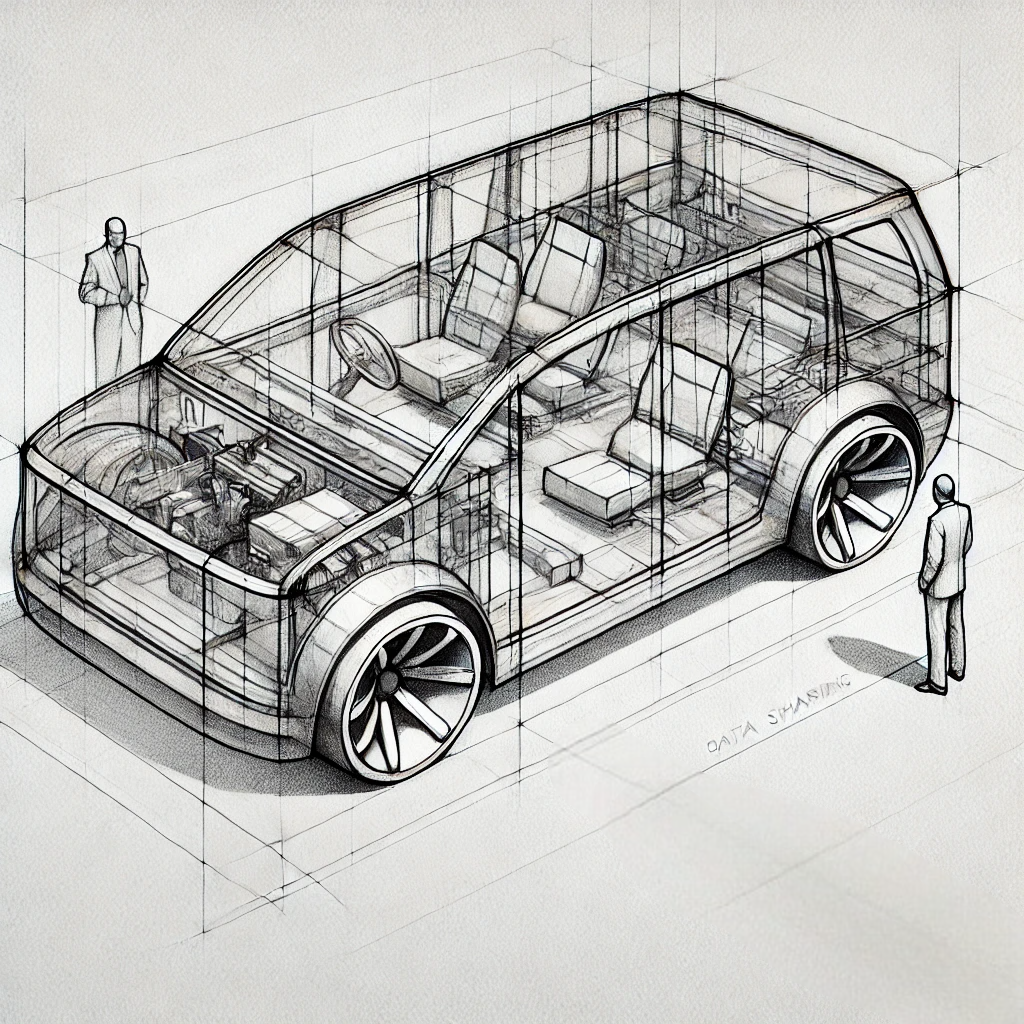 Changing Lanes Toward Open Science: Openness and Transparency in Automotive User ResearchIn Proceedings of the 16th International Conference on Automotive User Interfaces and Interactive Vehicular Applications, Stanford, CA, USA, Sep 2024TLDR: Analyzes how openness and transparency have evolved in automotive user research and suggests steps for improving data sharing.
 - CHI Workshop
 Towards Prototyping Driverless Vehicle Behaviors, City Design, and Policies SimultaneouslyIn CHI ’23 Workshop: Designing Technology and Policy Simultaneously, Hamburg, Germany, Apr 2023TLDR: Maps out the interdependencies between AV, city, and policy design and discusses methods for iteratively prototyping all three simultaneously.